
Why does my dog chase its tail?
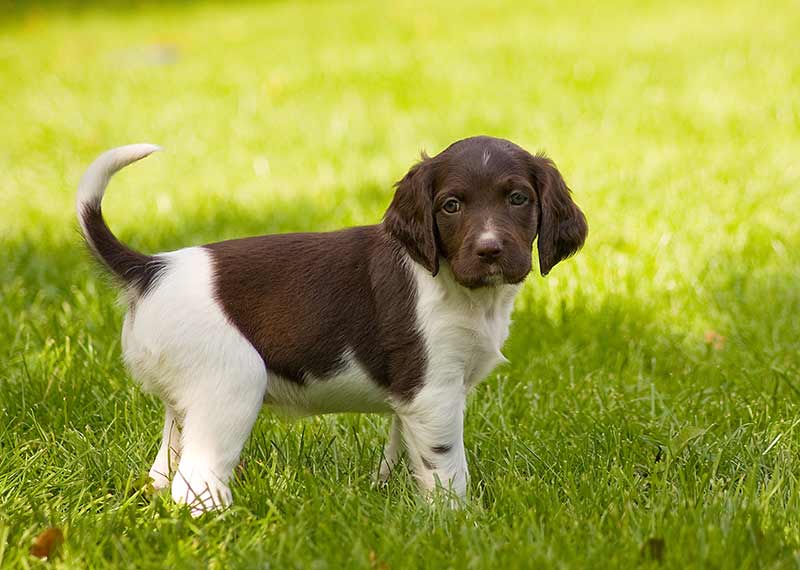
Our canine companions can keep us entertained for hours with all
the shenanigans they get up to! One of the most amusing things you
pup does is chase their tail, often perplexed why they can never
catch it. This behaviour, while amusing for the most part, can
become repetitive and interrupt your pets daily functioning.
Petplan will take a look into why dogs chase their tail and what
you can do if it becomes a habit.
There can be a number of reasons why your pup will chase their
tail. Some of these reasons may be linked to underlying issues,
however, it can also relate to their instincts and overall
playfulness. Some of the main reasons your canine companion will
chase their tail include:
Attention
As dogs are social animals, they rely on attention and affection
from their owners. They will often do things that may garner more
attention from you, which will put in their mind that this
behaviour will come with a positive response. With this positive
reinforcement, your pup may start chasing their tail whenever they
want attention from you.
Boredom
Boredom or lack of exercise resulting in a build-up of energy
can lead to your pup chasing its tail. You may find your pup
chasing their tail in order to exert extra energy that they have.
Exercising your pup regularly will help reduce this behaviour as
they are less likely to do it once they have spent all their energy
on something else.
Age and
breed
Certain breeds have a pre-disposition to compulsive behaviours
like chasing their tail. For example, German Shepherds and Terriers
are more likely to chase their tails. The age of your dog may also
play a major role in this sudden behaviour. Puppies are more likely
to chase their tail as they may not see their tail as a part of
their body and therefore think of it as another toy that they want
to play with. As they get older, this behaviour is most likely to
stop.
Medical
reasons
If this becomes a common occurrence, there may be underlying
medical issues. Your dog may have injured its tail by getting it
caught in a door, or they may have an irritating skin condition or
bites.
How to stop this
behaviour
The best way to stop this kind of behaviour is by acting upon it
early. This means if they do it from a young age try to get them to
stop and do not encourage it.
- Don’t give the behaviour any attention – just ignore it
- Increase their activity levels
- Introduce interactive toys so they have something to distract
them
If it continues, a vet check-up may be on the cards to check for
any medical reason behind this behaviour. If they can’t find a
problem, seeking a behavioural therapist may be your best option in
order to stop this obsessive behaviour.
Read more https://www.petplan.com.au/blog/pethealth/why-does-my-dog-chase-its-tail/
Kitten Health
Pug pooch problems
Further reading

Spaying 101 – Everything you need to know

Responsibilities of pet ownership


Leave a comment